February 18, 2026
Smart home services are at the forefront of technological innovation, reshaping the way we live by integrating advanced automation into our daily routines. These systems bring a level of convenience and efficiency that was previously unattainable, simplifying tasks and enhancing the quality of life. As smart home technology continues to evolve, it becomes increasingly accessible and essential for modern living, offering unique benefits tailored to individual needs.
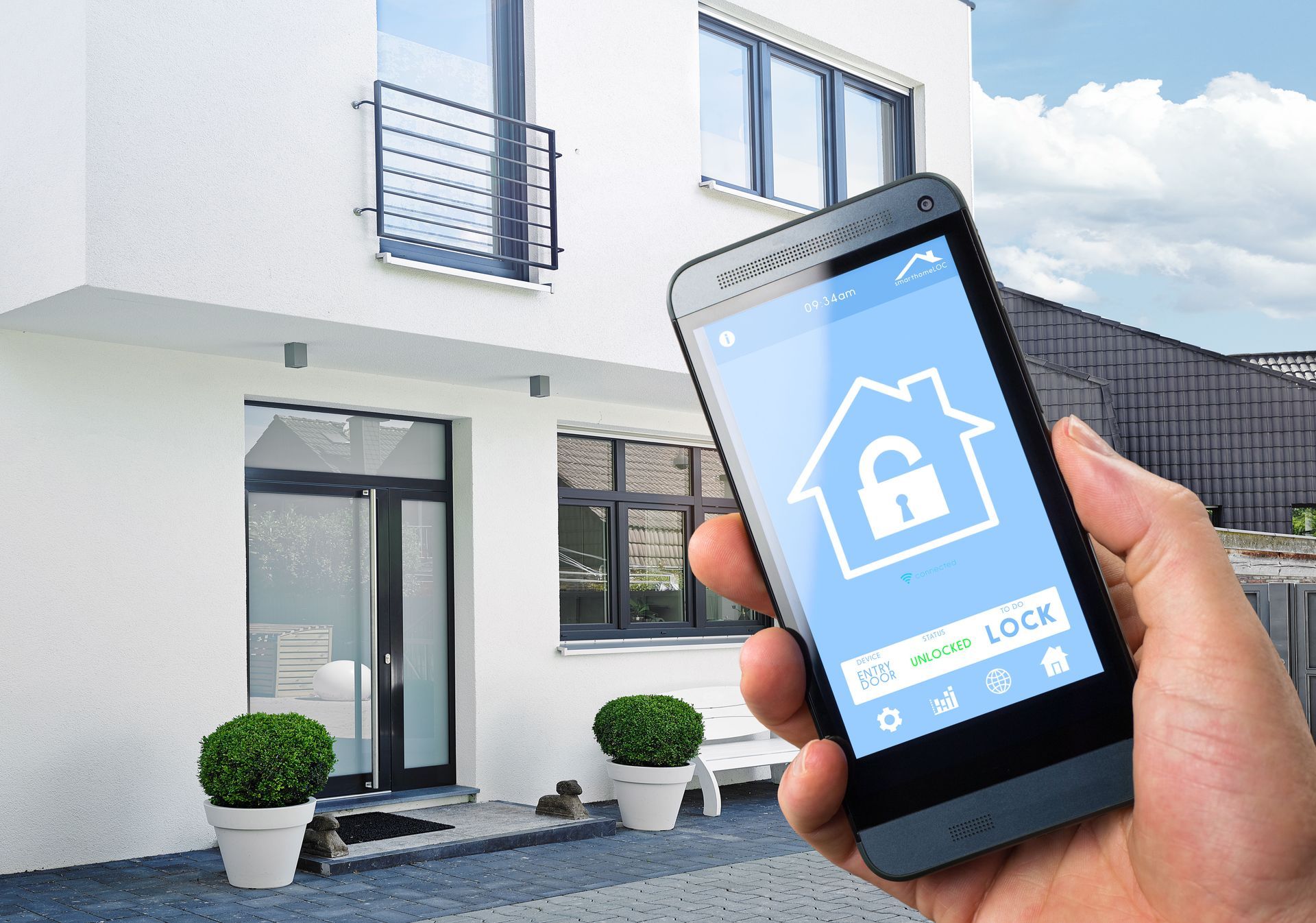
At the core of smart home technology is the ability to control appliances and systems remotely and intelligently. The aim is to create an environment that is responsive to the inhabitants' needs, whether it's adjusting the thermostat before you arrive home or securing the premises at the touch of a button. As technology advances, these services are not just about comfort; they are also about sustainability and security, ensuring a future where homes are smarter and more efficient.
This article delves into what you can expect from smart home services, deciphering the basics, exploring device options, setting up systems, incorporating security measures, improving energy efficiency, and troubleshooting common issues. By understanding these key aspects, homeowners can make informed decisions and fully leverage the potential of smart home technologies to transform their homes into smart havens.
Heating, Lighting, and Much More
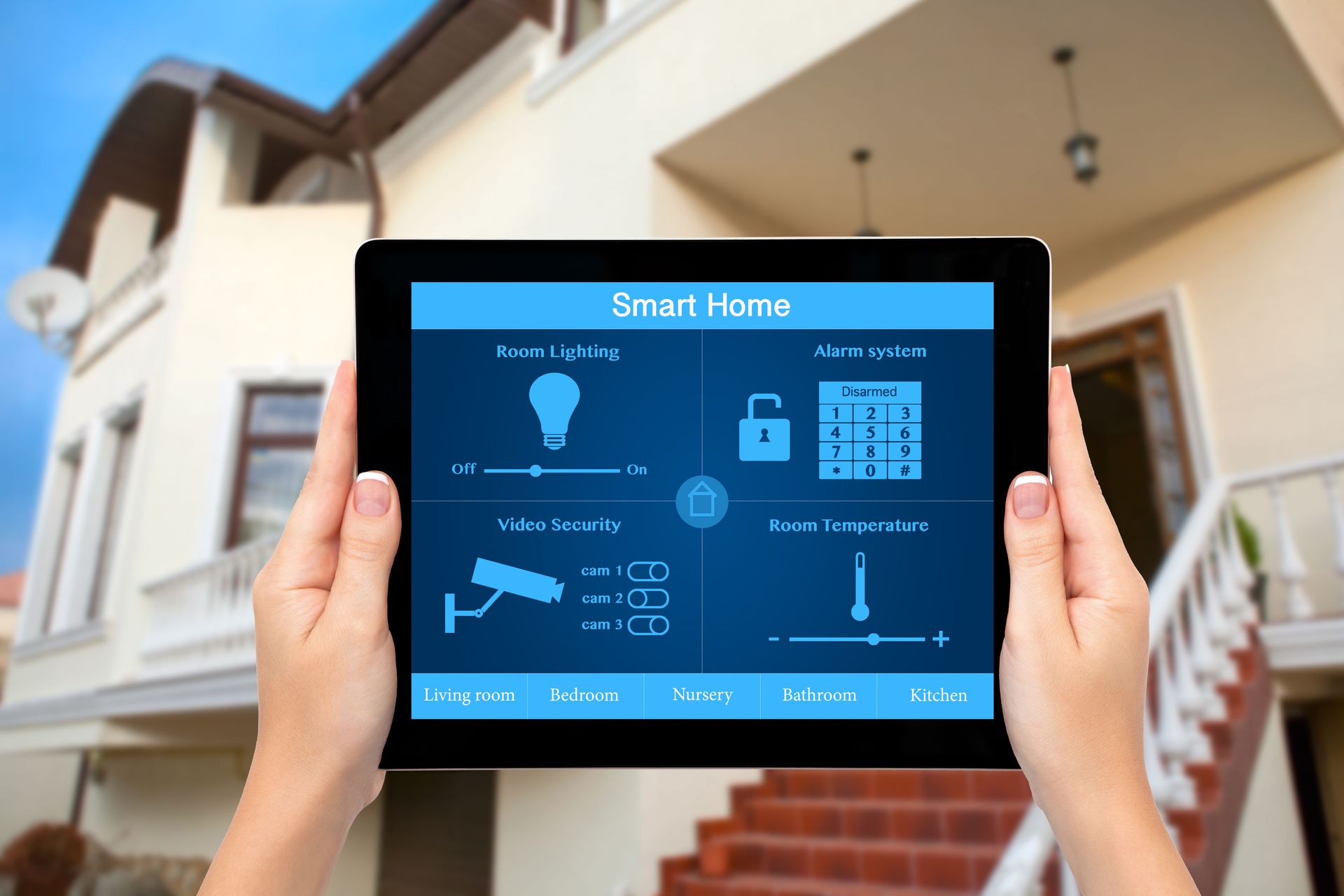
Smart home services encompass a wide range of technologies and services that enable homeowners to control and automate various aspects of their home environment. The scope includes automation of lighting, heating, security, and entertainment systems, as well as the ability to access these controls remotely. This approach combines convenience, energy efficiency, and security, making it possible to manage homes more effectively.
The concept of a smart home is built on the foundation of an interconnected ecosystem where devices communicate with one another through the Internet. These services are not limited to luxury homes; they are increasingly becoming a standard feature in modern housing, accessible to a broad audience. With the proliferation of affordable smart devices, the integration of smart home services has become an achievable reality for many families.
The overarching aim of smart home services is to create a seamless living experience that meets the demands of modern lifestyles. By understanding the definition and scope, homeowners can better appreciate the various advantages these systems offer, including increased comfort, enhanced safety, and optimized energy usage. As technologies continue to develop, the possibilities within smart home services are expanding at an unprecedented rate.
Exploring the Historical Evolution of Smart Home Technology
The evolution of smart home technology can be traced back to the introduction of early home appliances and automation systems. In the 1970s, the development of the X10 protocol allowed devices to communicate over existing electrical wires, laying the groundwork for modern home automation. This was a pivotal moment that set the stage for the technological advancements that followed in the subsequent decades.
From the late 1990s to the early 2000s, the emergence of wireless technology significantly accelerated the growth of smart home capabilities. The integration of Wi-Fi and Bluetooth technologies enabled devices to communicate more effectively and gave rise to a new era of interconnected devices. The proliferation of smartphones further catalyzed this evolution, providing users with the ability to control their home environments from anywhere in the world.
Today, smart home technology has moved beyond mere convenience, becoming a crucial aspect of home design that emphasizes efficiency, sustainability, and security. The historical evolution of this technology illustrates a trajectory of rapid growth and continual innovation, with a clear focus on creating smarter living spaces that cater to an increasingly mobile and connected world.
Utilizing Key Components of Smart Home Systems
Effective smart home systems are comprised of several key components that work in harmony to deliver a cohesive user experience. Central to these systems is the smart hub, which acts as a command center, managing the communication between various smart devices. This hub-enabled architecture ensures that devices from different manufacturers can work together seamlessly.
Additional components include sensors, controllers, and user interfaces that provide feedback and enable direct interaction with the system. For instance, motion detectors and smart thermostats work together to optimize energy usage by adjusting settings based on occupancy and user preferences. The end-user interfaces, such as mobile apps or voice commands, facilitate real-time control and monitoring. Placement of these devices is just as important as the functionality. Making sure that cameras and audio devices are properly located is important for the proper use of your devices. For example, according to This Old House, it is suggested to install video doorbells about 48 inches off the ground, which is probably where the existing hardwired doorbell is. Placing that video doorbell any higher or lower could impact your view when trying to access it via an app on your smart device.
Another critical component is the underlying software that powers the smart devices and allows them to communicate through the Internet of Things (IoT). The integration of software with hardware is what defines the capabilities of smart homes, allowing for the customization and automation of numerous tasks. Together, these components form a robust ecosystem that provides nearly limitless opportunities for enhancing the modern home environment.
Exploring How Smart Home Devices Communicate
The process of how smart home devices communicate uses a combination of wireless protocols, which are crucial for ensuring seamless interaction between various elements within the ecosystem. Commonly used protocols include Wi-Fi, Bluetooth, Zigbee, and Z-Wave, each serving different roles with respect to range, power consumption, and data transmission limitations. These protocols enable devices like smart speakers, thermostats, and lights to communicate with one another and with the central hub.
The introduction of interoperability standards such as Matter aims to simplify communication across different manufacturers' devices, solving compatibility issues and providing a more unified smart home experience. As a result, homeowners can mix and match devices from different brands without worrying about integration challenges. This development is a significant step towards enhancing user flexibility and choice.
These communication protocols are essential for enabling the automation and remote control of home systems, providing the intelligence that powers smart homes. As technology advances, new protocols continue to emerge, offering enhanced features and improved energy efficiency. Understanding these frameworks is important for users who wish to make informed decisions when selecting devices for their smart homes.
Grasping the Role of Artificial Intelligence and Machine Learning
Both artificial intelligence (AI) and machine learning (ML) play pivotal roles in the evolution and functionality of smart homes, transforming them from automated to truly intelligent systems. AI enables devices to learn and predict user preferences, optimizing the home environment without human intervention. For example, AI can analyze data from past usage patterns to regulate heating and lighting in anticipation of user needs.
Machine learning algorithms contribute to enhancing the efficiency and user experience of smart home systems. By processing large volumes of data, ML can identify patterns and anomalies, helping to diagnose issues and improve the overall system performance. This capability enhances the reliability of smart home services, adding a sophisticated layer of intelligence.
As AI and ML technology advances, these intelligent systems can perform more complex functions, such as recognizing voices, understanding natural language, and providing personalized recommendations. The integration of AI and ML is not only revolutionizing user interactions with home automation systems but is also paving the way for more adaptive and proactive smart home environments.
Smart home services represent a significant shift toward more connected, efficient, and intelligent living environments. By combining advanced communication protocols, robust system components, and the growing power of artificial intelligence, these technologies move beyond simple automation to deliver personalized, responsive home experiences. As accessibility improves and interoperability expands, smart homes are becoming a practical choice for a wider range of homeowners. Embracing these innovations allows individuals to enhance comfort, security, and sustainability while preparing their homes for the future of modern living. Kustom Theater Kreations specializes in custom home theater installation, proudly serving homeowners throughout Northern Colorado and South Wyoming. Contact us today to get started.