January 16, 2026
As technology continues to evolve, connected living has become an integral part of modern households, offering greater comfort, efficiency, and control. A smart home network allows homeowners to manage lighting, climate, security, entertainment, and access from virtually anywhere, creating a living environment that responds to daily routines and long-term needs. With expanded capabilities and more refined integrations, today’s systems go far beyond basic automation to support whole-home performance and reliability. Understanding how these systems work together is essential, and the following sections explore the key factors that shape a successful smart home system from planning through long-term operation.
Assess Needs and Goals
Before implementing a smart home system, it is important to clearly define what the home should accomplish. Some homeowners focus on security and access management, while others prioritize entertainment, comfort, or efficiency. Identifying these goals early helps shape decisions around automation features such as lighting, shade, and climate control, or integrated audio and video systems. Clear objectives ensure that technology choices support daily living rather than adding unnecessary complexity.
Budget considerations also influence how a smart home network is structured. Establishing financial boundaries helps determine which features are implemented initially and which are planned for later phases. Whole-home automation, advanced access control, and custom media spaces can be scaled over time when planning is intentional. Aligning goals with financial planning creates a balanced approach that supports both immediate needs and future growth.
Existing infrastructure plays a critical role in goal assessment. Construction wiring, network pathways, and available space for equipment all affect system design. Evaluating current conditions allows homeowners to anticipate upgrades that may be required to fully support a smart home network. This step reduces the likelihood of limitations later and promotes smoother integration across the home.
Choose the Right Platform
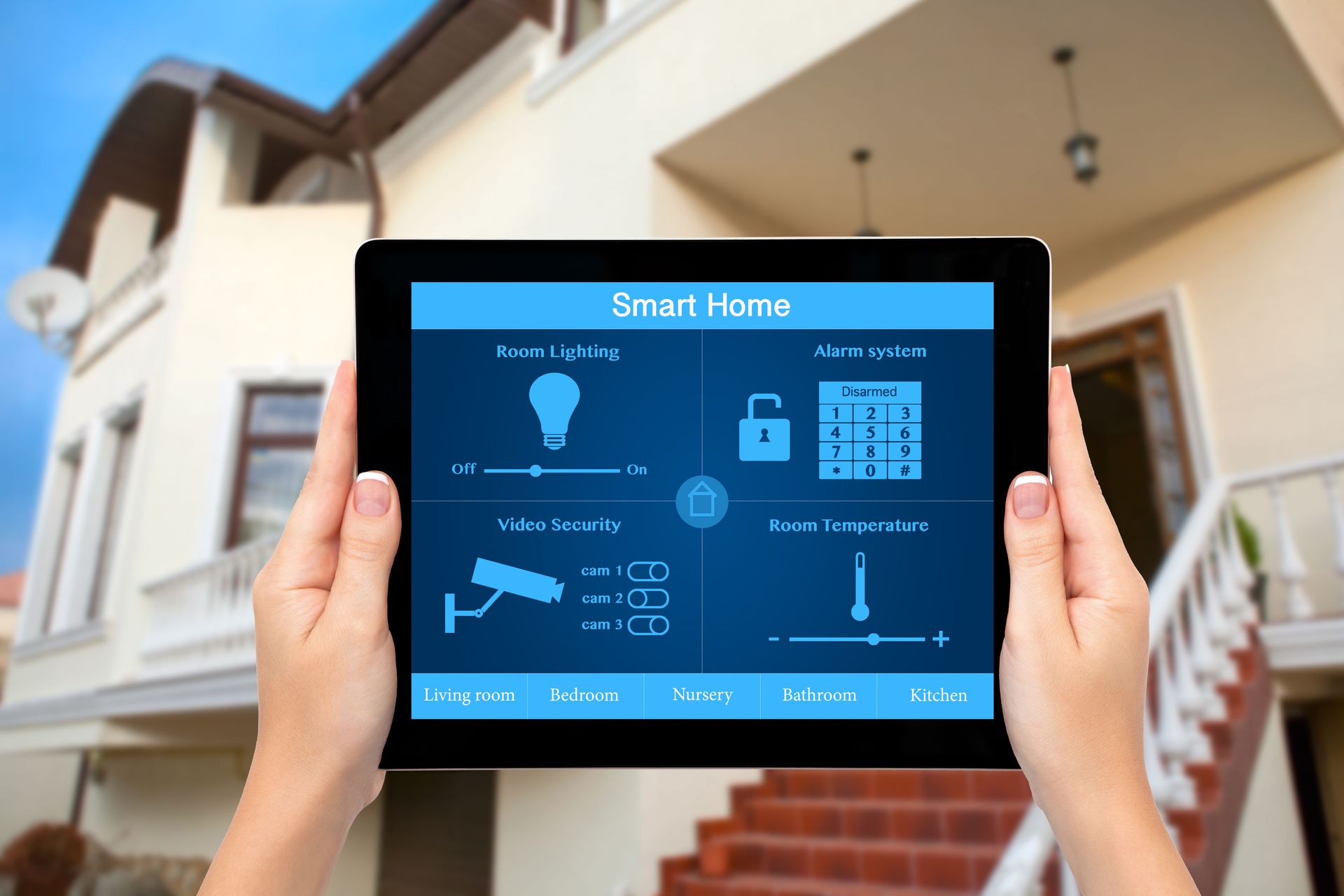
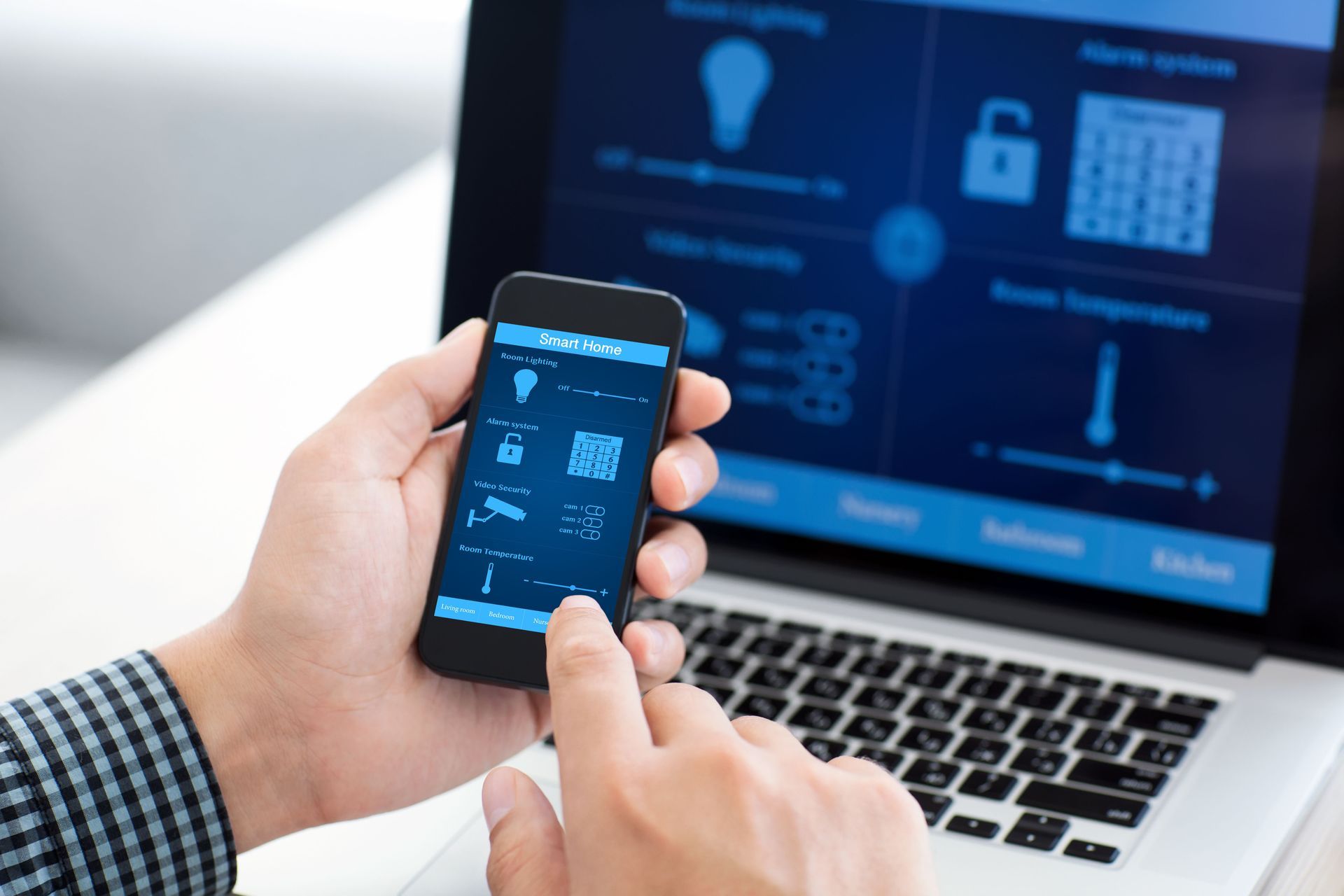
Selecting a central platform is essential for managing a smart home system effectively. The platform acts as the command center that connects devices, schedules automation, and provides user control. A well-chosen platform simplifies daily interaction by allowing lighting, climate, audio, video, and access systems to operate cohesively rather than as isolated components.
Compatibility is a major consideration when evaluating platforms. The ability to integrate whole-home automation, premium WiFi, enterprise-grade networks, and smart analytics cameras ensures consistent performance across the property. A platform that supports expansion allows the smart home network to evolve alongside new technologies without requiring complete replacement.
Security considerations should also guide platform selection. Smart systems rely on data transmission, which makes the protection of networks and devices essential. According to This Old House, the National Electrical Code sets standards for safe electrical installation in the United States and is updated every three years to reflect new technologies and safety practices. Aligning system design with current code guidance supports both safety and long-term reliability within a smart home network.
Select Devices and Placement
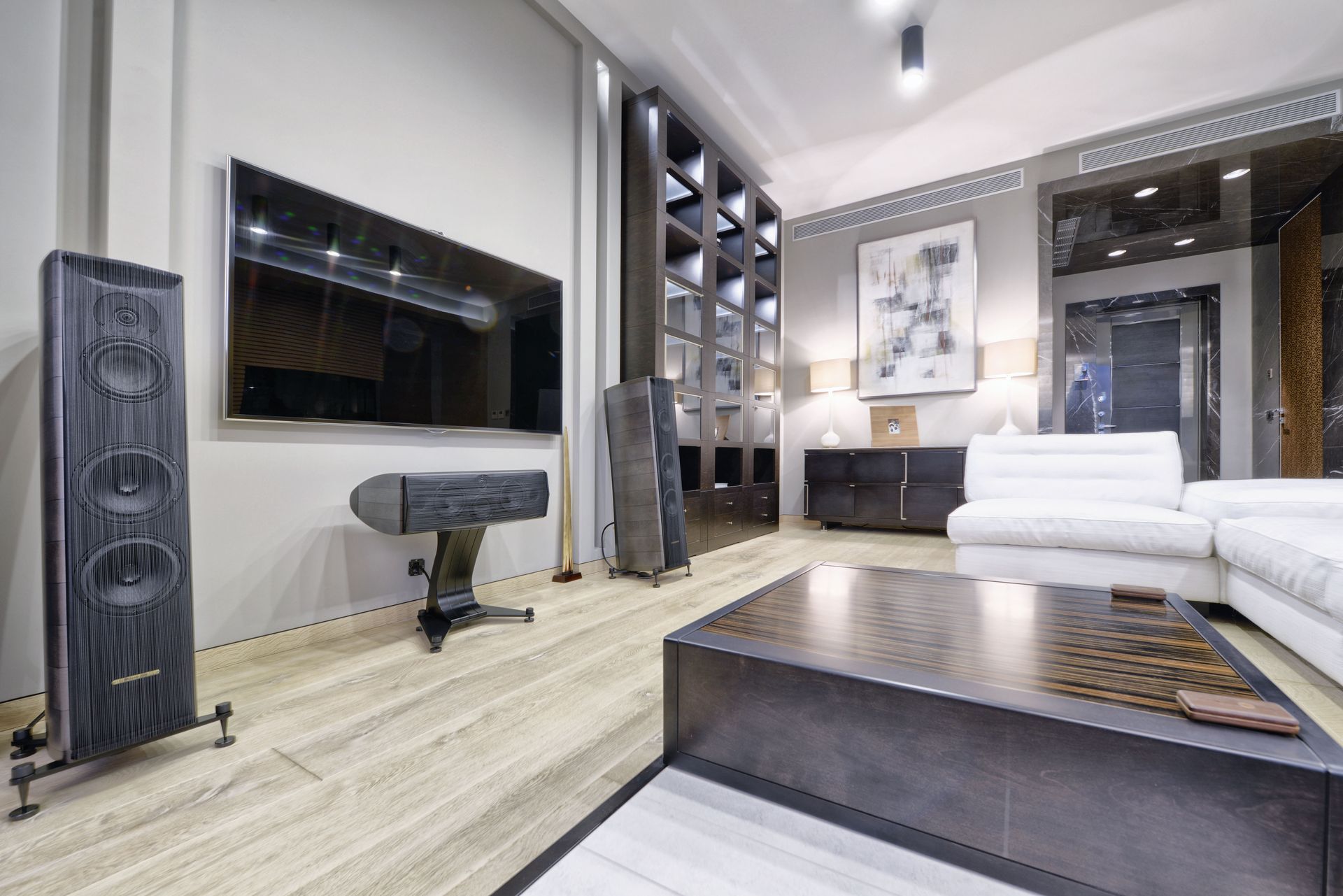
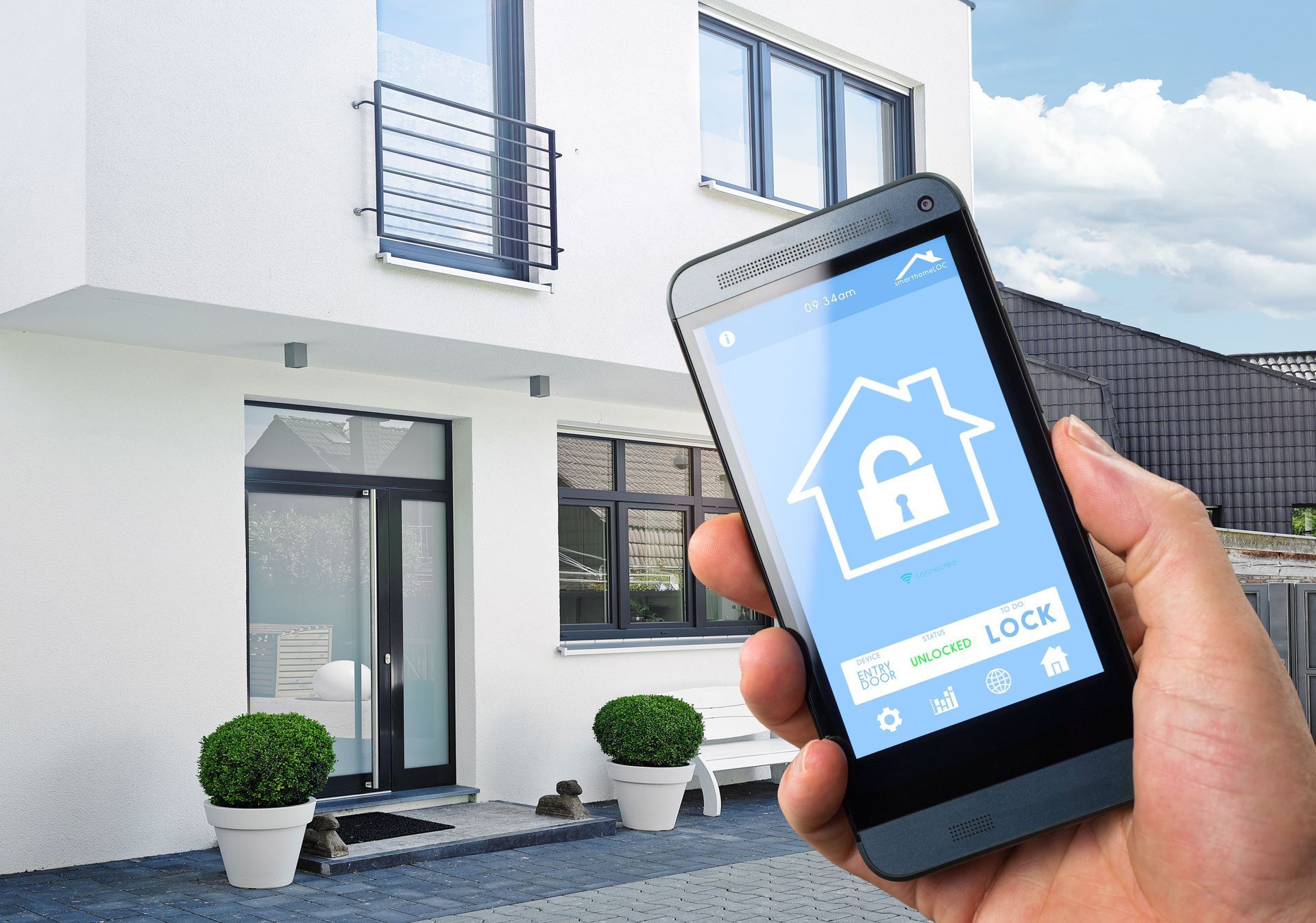
Device selection shapes how effectively a smart home system meets daily demands. Options may include lighting control, automated shades, climate systems, advanced access control, audio and video distribution, and outdoor living technology. Each device contributes to overall performance, so prioritizing functionality over novelty helps maintain balance and usability.
Placement is just as important as device choice. Lighting controls perform best when aligned with natural movement patterns, while climate sensors should reflect actual living conditions rather than isolated areas. Smart analytics cameras benefit from thoughtful positioning that enhances visibility without disrupting aesthetics. Proper placement ensures that each component of the smart home network operates at its intended capacity.
Decisions between wired and wireless solutions also influence placement strategies. Construction wiring supports stability and long-term performance, while wireless options offer flexibility in certain areas. Evaluating both approaches helps ensure the smart home network delivers reliability where it matters most while remaining adaptable to future updates.
Build Network Infrastructure
A strong network is the foundation of any smart home system. Devices rely on consistent connectivity to communicate, automate tasks, and respond in real time. Premium WiFi and enterprise-grade networks provide the bandwidth and coverage required to support multiple systems operating simultaneously.
Router and access point placement affect performance across the home. Strategic distribution ensures that lighting, audio, video, and security systems remain responsive in every space, including outdoor living areas. Investing in robust network infrastructure supports both current functionality and future expansion of the smart home network.
Network security should never be overlooked. Encryption, regular firmware updates, and protected access credentials help safeguard connected systems. A secure network preserves system integrity and protects sensitive data, reinforcing confidence in the smart home network over time.
Plan the Installation Process
Installation planning influences how smoothly a smart home network comes together. Coordinating timelines, access to spaces, and equipment staging reduces disruptions during setup. Complex systems benefit from a structured approach that accounts for wiring pathways, equipment placement, and calibration.
Professional coordination helps ensure that integrated systems function as intended from the outset. Whole-home automation, audio and video systems, and advanced access control require precise configuration to operate cohesively. Proper installation supports long-term performance and minimizes the need for adjustments later.
Preparation is key to maintaining project momentum. Reviewing plans, confirming compatibility, and aligning expectations all contribute to a successful installation. A well-executed process establishes a solid foundation for the smart home system and enhances overall satisfaction.
Maintain and Update Systems
Ongoing maintenance is essential for preserving the performance of a smart home network. Software updates address security enhancements, functionality improvements, and compatibility with evolving technology. Applying updates promptly helps maintain stability and protects system components.
Physical upkeep also matters. Periodic checks of cameras, lighting controls, and network equipment help identify potential issues before they escalate. Consistent attention ensures that the smart home network continues to operate efficiently and reliably.
Planning for future enhancements keeps the system relevant. As technology advances, new features and integrations may become available. A scalable smart home system allows homeowners to adapt without overhauling existing infrastructure, extending the value of the original investment.
Expand Capabilities Over Time
A well-designed smart home network supports growth. Adding new rooms, outdoor spaces, or entertainment areas becomes more straightforward when scalability is considered from the beginning. Infrastructure that accommodates expansion reduces costs and complexity later.
Technology trends continue to shape how homes function. Lighting, climate, and access systems are becoming more intuitive and responsive. Preparing for these advancements ensures that the smart home system remains aligned with changing expectations and lifestyles.
Long-term planning reinforces consistency across the home. Coordinated upgrades maintain visual and functional harmony while enhancing overall performance. This approach allows the smart home network to evolve naturally rather than through piecemeal additions.
Installing a smart home network involves thoughtful planning, informed choices, and attention to both current needs and future possibilities. From defining goals and selecting platforms to building network infrastructure and planning for expansion, each decision contributes to a cohesive and reliable home environment. Ongoing maintenance and awareness of safety standards further support long-term performance and peace of mind.
For homeowners seeking a tailored approach to connected living, working with an experienced team can simplify the process and enhance results. At Kustom Theater Kreations, we focus on designing and integrating systems that align with how homes are lived in every day. To explore how whole-home automation, advanced networking, and integrated technology can support your vision, connect with us to begin shaping a smart home system built for lasting value.