March 20, 2026
Protecting your home has never been more advanced or accessible thanks to smart home systems technology. Today’s systems go beyond traditional alarms by integrating cameras, motion sensors, mobile apps, and intelligent automation to create a connected network of protection. With the ability to monitor your home in real time and receive instant alerts, smart security systems give homeowners greater control, convenience, and peace of mind. Understanding how these systems work—and the devices and technology behind them—can help you choose the right setup to safeguard your home and loved ones.
1. Understanding Smart Home Security
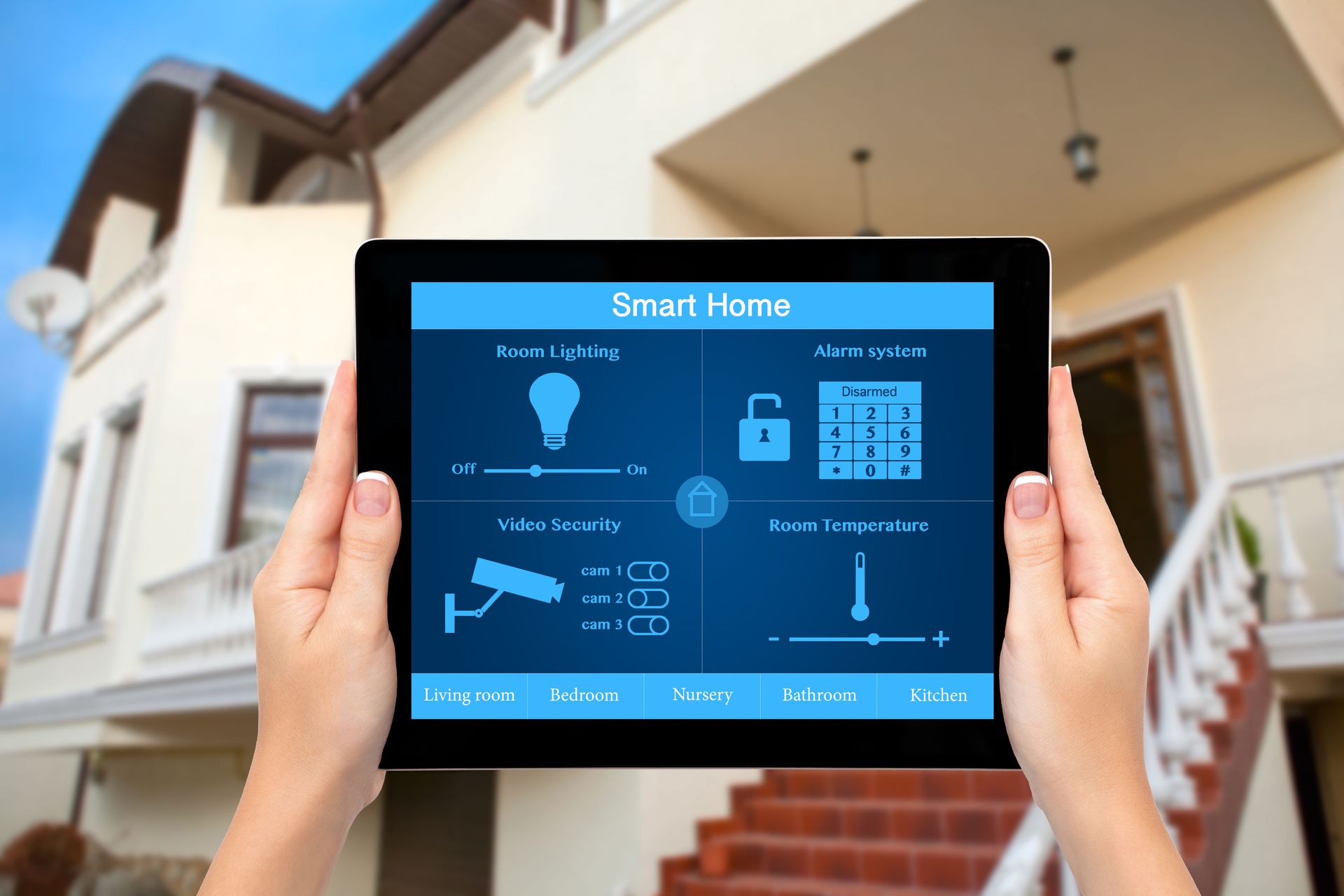
Smart home systems incorporate the latest technological advancements to provide a robust framework for home protection. These systems integrate multiple devices, such as smart cameras and sensors, functioning together to monitor and secure the home environment. They are controlled remotely through smartphones or computers, adding a layer of convenience and automation not present in traditional systems.
The primary aim of a smart home security system is to deter intruders and alert homeowners to potential threats in real-time. By using advanced algorithms and machine learning, these systems efficiently distinguish between normal and suspicious activity, minimizing false alarms. Moreover, with real-time alerts, homeowners are equipped to take immediate action or notify the authorities when required.
Smart home systems have evolved rapidly in recent years, moving from luxury items to common essentials in home protection. These systems cater to a wide array of users, offering customizable features that suit different security needs and budgets. Enhanced accessibility has democratized home security, making it an attainable solution for more homeowners than ever before.
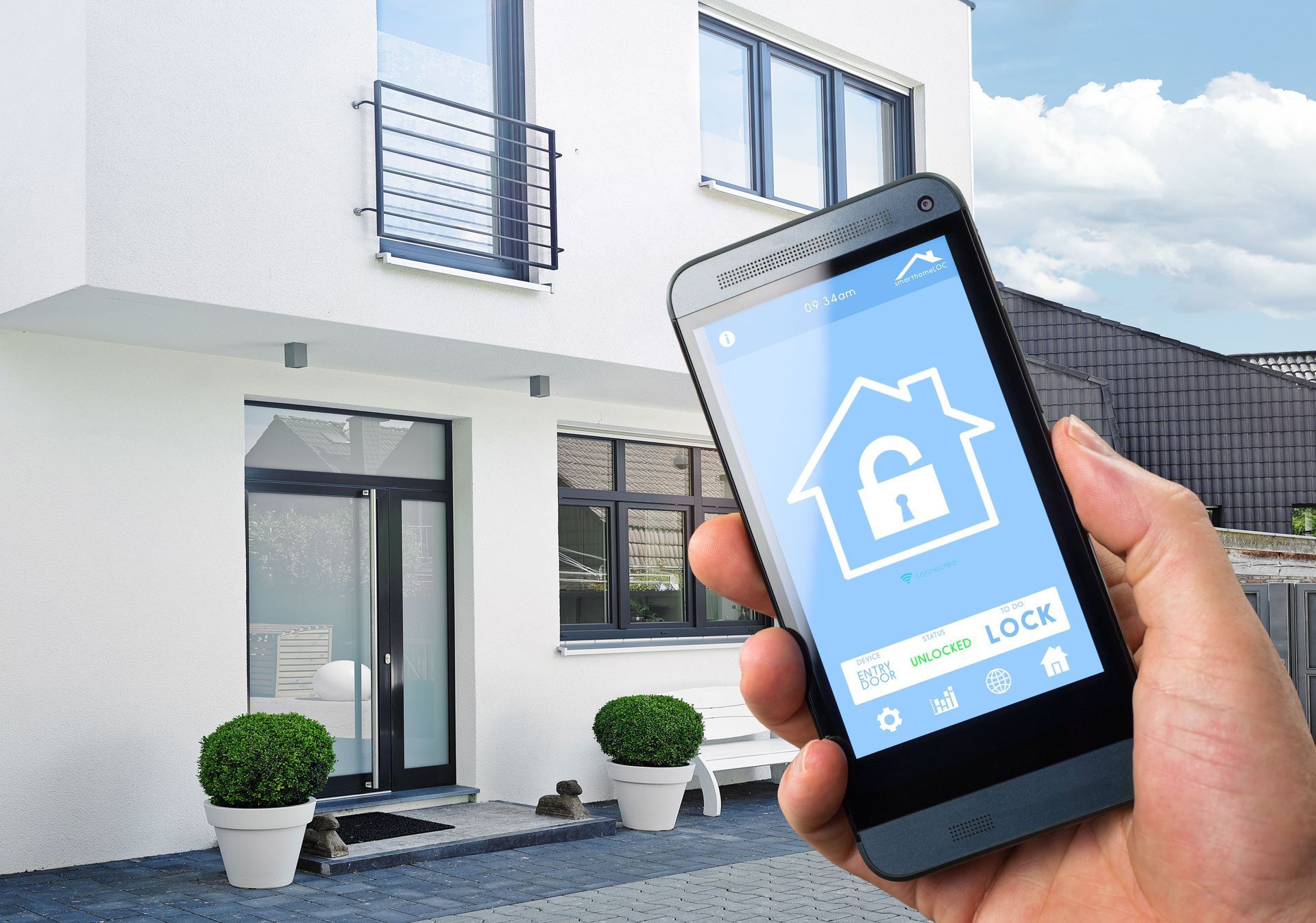
One of the primary benefits of smart security systems is real-time monitoring, which allows homeowners to keep an eye on their property from anywhere. These systems often come with mobile apps providing live feeds from security cameras, helping to prevent potential dangers and respond immediately to any irregularities. This level of connectivity offers peace of mind, knowing that one’s home is secure even when they are miles away.
Smart security systems are scalable and adaptable, allowing them to grow and evolve with the user’s needs. As technology advances, new devices can be integrated with existing systems, ensuring comprehensive and up-to-date security. From video doorbell cameras to automated lighting, these systems offer customizable options that cater to individual preferences and security requirements.
Furthermore, smart home security systems provide enhanced data analytics and reporting capabilities. Users can access detailed logs of all monitored activities, enabling them to spot trends or patterns that might indicate potential security vulnerabilities. Innovative use of AI and machine learning helps predict and prevent security breaches before they occur, increasing the overall effectiveness of the security setup.
2. Essential Devices for Smart Home Security
Smart cameras are fundamental to modern smart home systems, providing real-time video footage and surveillance. Positioned strategically around the home, these devices capture high-definition video, enabling homeowners to monitor activity and identify intruders. With features like night vision and motion detection, smart cameras offer round-the-clock protection.
Integration with mobile apps allows homeowners to access live streams, receive alerts, and control their cameras remotely. In the event of unusual activity, the camera can notify users via push notifications or emails, enabling prompt response times. Additionally, some smart cameras come with two-way audio, allowing users to communicate directly with visitors or intruders.
Placement is critical for ensuring the effectiveness of smart cameras; they should be positioned to cover vulnerable areas such as entry points and blind spots. According to This Old House, it is suggested to install video doorbells about 48 inches off the ground, which is probably where your existing hardwired doorbell is. This optimal height ensures good visibility and effective monitoring of visitors.
Motion sensors play a pivotal role in smart home security systems, detecting movement and triggering responses in real-time. Typically used to monitor hallways, entryways, and perimeters, these sensors alert homeowners to any unauthorized movement within their home environment. Modern motion sensors are sensitive enough to differentiate between humans and pets, minimizing false alarms.
The integration of motion sensors with other smart devices enables automated responses such as activating lights or cameras when motion is detected. This capability not only deters potential intruders but also provides homeowners with a comprehensive view of their property in the event of a security breach. Such interactions enhance the overall security coverage and adaptability of the system.
When deploying motion sensors, strategic placement is critical to ensuring optimal detection and coverage. Sensors should be installed in locations where people move, such as at the top of stairs, corridors, and entrances. Proper configuration and sensitivity adjustments are essential to maintain a balance between reliable detection and reduced false alarms.
3. Choosing the Right Technology
Smart home systems rely on different connectivity options for communication between devices, such as Wi-Fi, Z-Wave, and Zigbee. Wi-Fi networks offer fast data transmission and wide coverage, but they can consume substantial amounts of power and may experience interference from other devices. It's best suited for cameras and devices requiring high bandwidth.
Z-Wave and Zigbee are low-power communication protocols ideal for battery-powered devices like sensors and smart locks. Both protocols use mesh networking, allowing devices to relay signals to one another, creating a more resilient and extensive connection throughout the home. This mesh network enhances reliability as it ensures connectivity even if one pathway fails.
When selecting connectivity options, consider factors like range, power consumption, and device compatibility. Ultimately, a hybrid approach utilizing multiple protocols may offer the best solution, combining the strengths of each to ensure a robust and reliable smart home security system. Proper planning and consideration of your specific needs will lead to a more effective security setup.
Ensuring compatibility and seamless integration between devices is critical for creating a cohesive smart home security system. Compatibility issues arise when devices use different communication protocols or lack support for the same smart home platforms. To mitigate these challenges, it’s essential to choose devices from manufacturers committed to cross-platform compatibility.
Integration allows different devices to work together, enabling automation and coordinated responses to security threats. For example, a triggered motion sensor can activate security cameras, lights, or alarms, creating comprehensive protection. A well-integrated system provides homeowners with a streamlined and user-friendly experience, reducing the need for manual intervention.
Homeowners should focus on selecting products that support popular smart home systems such as Google Assistant, Amazon Alexa, or Apple HomeKit. Thoroughly researching device compatibility and platform support ensures a hassle-free installation process and enhances the overall performance of the smart security system. Investing in compatible devices today paves the way for future system expansion and upgrades.
Smart home systems combine innovation, convenience, and reliability to create a safer living environment. From smart cameras and motion sensors to integrated platforms that automate responses to potential threats, these technologies allow homeowners to stay connected to their property wherever they are. Choosing compatible devices and the right connectivity ensures your system remains scalable, efficient, and prepared for future upgrades. By investing in a well-designed smart security setup, you can protect what matters most while enjoying the benefits of modern home automation. If you’re ready to upgrade your home’s protection, consider exploring smart security solutions from Kustom Theater Kreations today and start building a system that keeps your home safe around the clock.